Do I Have To Say Thanks But No Thanks To Wedding Vendors?

[Via Wikimedia]

Dear Uncommon Courtesy,

After talking with potential wedding vendors and stuff, am I supposed to send a thank you or follow up? These would vendors I have decided not to use.

Sincerely,

Thankful, Really


Official Etiquette:

We couldn’t find any official etiquette, but many people on this forum felt that it was nice to send a quick email.


Our Take:

Jaya: Oooh. I guess it depends on the type of interaction you’ve already had.

Victoria: So she says they had a three hour tour of one venue and then decided not to go with it.

Jaya: I never followed up with the venues I didn’t choose. I’m not sure if that’s right. But no one emailed me asking where I’d gone

Victoria: I said that it’s probably fine, since it’s a business transaction. And, like, if you are going to go with them, you will let them know.

Jaya: Exactly. Like, it’s easy for it to feel really personal, since it’s your wedding day, and that’s sort of what they’re trying to sell you.

Victoria : Plus you might talk to tons of vendors, so that’s a lot of following up. And even though reading an email takes 20 seconds, if they have 100 people emailing them to let them know they won’t be using their services, that’s actually a lot of time reading emails that aren’t for anything.

Jaya: Yeah, I think it’s only good to respond if you’ve gotten to a certain point. Like if you asked them to hold a date and then say you don’t need it anymore.

Victoria: Oh yeah, definitely! Or in general if you’ve told them yes and then you change your mind.

Jaya: Yeah, thinking back, I didn’t email any vendor just to say I wouldn’t be using their services The only time I can think that you may want to do this is with something more personal, like hair and makeup. If you get trials done by a few people and choose one, you can probably email the others and say you won’t be using them. Though even then, you’ve probably paid them for the trial, so it’s not like they did it for nothing.

Illness at a Wedding

I haven't actually seen this movie, but I imagine it could def be caused by a sick person attending a wedding.

I haven’t actually seen this movie, but I imagine it could def be caused by a sick person attending a wedding.

Dear Uncommon Courtesy,

Can you please tell me if the Mother of the Bride must remain at the reception until it is over if she does not feel well? The Brides Father and siblings are still there. 

Sincerely,

Wedding Illness

Official Etiquette:

The Emily Post Institute says that one of the few reasons to miss a wedding or social event that you have previous RSVP’d yes to is illness.

Our Take:

Jaya: So this is curious to me because it was sent at 1am. Like, was this person at the wedding when this happened???

Victoria: Haha maybe!

Jaya: Amazing. Okay so yes, if you are sick, do not hang around the party!

Victoria: If the parents are the hosts, they are supposed to stay until everyone else leaves. BUT there is clearly an exception for illness! Illness trumps everything! I mean, you could even skip the entire day if you were sick enough. And I’m sure you would be heartbroken, but what can you do?

Jaya: I wonder if this is like…she’s “sick,” like obvs don’t use illness as code for “I hate my new in-laws and don’t wanna be here.”

Victoria: Lol, yeah, don’t fake being sick to leave a wedding early if you are the mother of the bride.

Jaya: The wording “must remain at the reception” so gets me though. I think it’s really indicative of how we tend to think of it as this Big Official Thing, when like, it’s a party!

Victoria; Hahah yeah, seriously.

Jaya: I know it’s bigger than a house party, but if you went to a couple’s house and one of them was like “you know, I’m not feeling great, I’m gonna go lie down” but the other one was fine and the party continued, that’s totally normal.

Victoria: I mean, I guess if the bride and groom do the traditional ducking out, then someone has to stay to make sure everyone leaves okay and aren’t abandoned in this function hall.

Jaya: Definitely, stuff needs to be taken care of. Which presumably either the MOB or someone else is able to figure out quickly before she leaves. Just like, say goodbye to the important people, explain you’re sick, and go.

Victoria: Yeah, definitely. I mean, that’s all there really is to say about it. Safety and health trump etiquette at all times. And you definitely don’t want a Typhoid Mary situation where everyone who attended this wedding gets the flu because of the mother of the bride.

Jaya: And good lord, I hope if you’re in the wedding party/the couple/somehow involved here, you are not judging a sick woman for leaving the party early, even if she’s the Mother of the Bride. Though people get weird about it. I had a friend leave my wedding early because she had a migraine (which turned into a much more serious medical issue).

Victoria: Right!

Jaya: And she was like “I’m so sorry I left early!” And it’s like GIRL.

Victoria: Lol but guests can leave after the cake cutting anywaaaaaaay. But in that situation, it is nice to try to find the bride and groom if you can and say goodbye.

Jaya: Even then! If you have a crazy migraine and have to leave, leave! and also definitely leave if it turns into something you are hospitalized for!

Victoria: Hahaha yes absolutely. And by bride and groom, I mean the COUPLE. Or the triple or whatever, we don’t judge.

Jaya: Hahahahaha, the marriage unit.

Victoria: Omg that sounds so horrible. Do not like.

Jaya: I know! Ugh we need better terms because so many of the unisex ones sound so clinical.

Victoria: How about the bewedded.

Jaya: LOVE it sounds like bewitched.

Talking About Tipping

Not THAT kind of tipping [Via Flickr user tracy_n_brandon]

Not THAT kind of tipping [Via Flickr user tracy_n_brandon]

Recently, Gothamist posted an article saying that you must tip a dollar on your coffee. Naturally, since we just had a big post about tipping, we had a few thoughts (what else is new) on the subject:

Victoria: Dirty lies!!

Jaya: Hahahahaha

Victoria: Also, IDK about smaller coffee places but my last investigation into the subject was that Starbucks pays at least several dollars over minimum wage and also has health insurance for employees (this might not be true, I realize!).

Jaya: Absolutely. For smaller places you may not be able to know, but Starbucks might negate that “tip to bump up hourly pay to minimum wage” thing. But yeah, it’s hard to know.

Victoria: Yeah. Well technically only actual servers in restaurants are not paid minimum wage. All coffee shops and ice cream places and whatever MUST pay at least minimum wage. Although this brings up a good point about bars- why do we tip at bars? (IDK about how bartenders are paid).

Jaya: Dunkin Donuts seems to hover around minimum wage too (I  can’t see city specific stuff). Not that minimum wage is perfect. I think bartenders are paid more like waiters at most places, like $2-3 dollars an hour and then tips.

Victoria: Yeah, I mean, certainly tip if you want! But then like, why aren’t you tipping someone who helps you find the perfect dress at Macy’s? It just seems so arbitrary, the whole tipping thing.

Jaya: Because those sales people get commission often! Like, at stores where they asked if anyone in particular helped you, that’s commission.

Victoria: Oh! right! I guess I forgot about that. But then, like, Target? Sometimes they help me a bunch. And I know fancy stores do commission. But like, your basic Macy’s?

Jaya: It really does get confusing. It becomes the consumer’s responsibility to understand the salary plans of each place they go to.

Victoria: Lol which is totally nuts. And, like, at a busy Starbucks- if everyone tipped a dollar, that’s a SERIOUSLY huge amount of money.

Jaya: But right, most of the reasoning behind tipping in this country is based on the assumption that the person serving you is making much, much lower than minimum wage. But if they are making that or above, what is the incentive? Just being nice? A recognition that minimum wage isn’t a living wage? Basically, the system’s fucked.

Victoria: Yeah, I mean, I guess the point is to reward good service. But if you are literally pouring me a coffee because I have come into a coffee shop and ordered coffee…does that REALLY deserve a tip? I mean, I get if you walk in and they start on your order right away and maybe sometimes they sneak you a free muffin. But just doing the bare minimum of your job?

Jaya: Right, I do think tipping has become detached from the idea of it being a reward. And being on your feet all day and up early and dealing with people is a tough job. But lots of people have tough jobs that don’t have the opportunity for tip jars. Jobs that also don’t pay well.  I so wish we could have a real, living wage minimum wage, and that food workers were paid it, so I didn’t have to worry that not having a dollar on me that day means they can’t make rent.

Victoria: Yeah, that’s what I hate about tipping, it’s so stressful.

Jaya: Right. Sometimes I don’t have extra cash. And I hope that my local coffee shop won’t hate me if I don’t have change on me a few times.

Victoria: And then, like at weddings, when there’s an open bar people are tipping and technically, the host should be tipping at the end of the night so the guests are always a guest and never has to open their wallet.

Jaya: No see that’s good because you slip them a $5 at the beginning of the night and all your drinks are hella strong.

Victoria:  Lol, I have really never noticed a difference. And at MY wedding (n.b. I am in no way getting married anytime soon), I won’t allow the staff to except tips because its ridiculous for my guests to be tipping them when I will also be tipping them at the end.

Jaya: Hahahaha

Victoria: Also I didn’t really see anyone doing it at your wedding. But other weddings I have.

Jaya: I didn’t even notice if there was a tip jar. But from the papers I signed, I know all the servers were paid well!

Victoria: There wasn’t! But I’ve never seen a tip jar at a wedding, I’ve only seen people hand it to the bartender. But exactly my point- you were the host and you saw to it that the people you hired were well paid for their time! As it should be. I’ve actually read that some hosts find it insulting for people to tip at weddings, because it implies that people don’t think the host is paying the staff adequately. Not that I agree that that’s what’s going on

Jaya: Oh god I’ve never even thought that hard about it. I’m just on bartender=tip autopilot.

Victoria: Lol yeah. I mean, everyone has the best intentions, I’m sure. But like, what if you had a fancy party at your house where there was a bartender and waiters and someone doing dishes? And like, why should the bartender get tips when the waiters don’t?

Jaya: We had that once! My building hosted a building-wide holiday party a few times. It was 5 units so it wasn’t nuts.

Victoria: Yeah, and wouldn’t it be weird for someone to tip someone who was working in your house?

Jaya: Definitely, because yeah, we handed them a check with a tip included.

Victoria: Yeah! Exactly.

Jaya: I mean, if someone thought they were doing that really great job, it’s not on me to PREVENT someone from tipping. Because again, I don’t think anyone would do it in an assumption that I wasn’t paying well enough. I don’t know, it’s so interesting to me that tipping remains this one thing that is so inconsistent across different job sectors, and so disagreed upon. Like, that core “just be a good person” thing about etiquette, no one can figure out what that means with tipping. I guess you can just walk into every establishment, ask what the average hourly wage is for their servers, and decide accordingly. Totally practical.

Victoria: HA. Yeah, and then corporate chains such as McDonalds don’t allow tipping even though you can be pretty sure they are paid as close to minimum wage as possible.

Jaya: Yes! And then it just devolves into this argument over who deserves it and who doesn’t and all the drama that comes with that.

Victoria: Yeah, it’s so nuts.

Jaya: When really, it just comes down to everyone deserving a living wage. And that’s on the company, not the customers. Or at least, should be.

Victoria: Totally. And to an extent, I feel some classism in it- like you will tip at the fancy coffee shop where the staff probably grew up middle class and went to college and follows the liberal arts major=barista stereotype, but you won’t tip at Dunkin Donuts/McDonalds where the workers are more likely to be immigrants or working class.

Jaya: Yesssss

Victoria: So you want to support people “like you” who are just “kids trying to get ahead.”

Jaya: And I mean, I’m sure that’s part of the bigger companies too if they don’t let you tip. So the original Gothamist article mentions Cafe Grumpy, a very good but also very chichi cafe chain where apparently STARTING pay is 50% above minimum wage.

Victoria: Yeah! And I can’t read the original NYT article but apparently the thing was that they were suggesting a $3 tip on a $4 coffee.

Jaya: Well they have one of those SquareSpace iPad readers where you just click a suggested tip button. And I agree that’s pretty presumptuous but you can type in your own, or choose not to do it.

Victoria: Ahhh. I mean, still, a lot of people feel pressured by “suggested” amounts, like that they will be a total cheapo if they go lower. *ahem* The Metropolitan Museum of Art *ahem*

Jaya: Hahahahahaha. But right, there is no way to come up with a uniform policy. If it’s based on their hourly wages, then you have to make sure you know what they are. If it’s based on service, then great, tip every single person that serves you in some way, equally.

Victoria: Omg and then never go anywhere because you are going to be broke.

Jaya: Well we solved it. How to tip: just die already.

Victoria: What IF, everyone tipped so much that service jobs became the new upper class and then everyone tried to be a service worker and then there were too many service workers and not enough people to buy stuff and the service jobs had to become minimum wage and it was an ugly cycle. That’s my new dystopian novel.

Jaya: I was just gonna say that!!!!!!!

Victoria: Also every single thing I read about tipping, it’s like half the commenters are like, “well I ALWAYS tip a minimum of 40%” and it can’t POSSIBLY be true otherwise servers wouldn’t complain so much.

Jaya: Hahahaha. It’s true! Everyone is ready to be the MOST GENEROUS.

Victoria: I also find something icky about the type of guy who tips ostentatiously. Like, just tip like a normal amount. (Not to begrudge servers and stuff).

Jaya: Right like, he heard too many stories about how women don’t like men who are mean to servers, so he swung the other direction.

Victoria: The “nice guy” of tipping.

Jaya: The more I think about it, the more tipping frustrates me. I mean literally, this is the genesis of shit like Uber and whatever. It’s systems that put all the risk on the employees and customers and not the employers.

Victoria: Hahaha yesssssss.

Jaya: And you can’t win against that. Arguing about how much to tip and social norms and generosity doesn’t change the fact that it should be the company paying a living wage and giving good benefits (or maybe the government taking care of health care).

Victoria: Totally. And then we can be like the paradise that is Europe where a tip is just a little extra.

Jaya: I’m not normally one to romanticize all things European, but this is one thing I will.
More Title Ruminations

So we received a lot of responses from Friday’s post about CUNY doing away with gendered salutations. Some people rightly pointed out that in certain professions, such as the law, are more formal and people use formal titles frequently. It was also mentioned that in some cultures, using titles as a form of respect is more expected for everyone. We ended up talking about it even further:

Jaya: Titles are something you do because you think it connotes respect, but if lots of people aren’t feeling respected, don’t do it!

Victoria: When we speak about it in the business world, I think company culture comes into play a lot. To purposefully go against what everyone else is doing out of some feeling of old fashionedness and having been raised to call someone Mr. or Ms., then it’s weird. And I think you risk not being taken seriously, especially as a young woman in the business world.

Jaya: I mean, I think it depends on what business you’re going into. As some lawyers pointed out, they’d probably be considered very unprofessional if they didn’t use them.

Victoria: Oh I just meant going against the norms of the work culture you are in. If you work in a law office where everyone is called Mr. and Ms., it’s fine. If you work at a tech startup and wear 3 piece suits and call everyone Mr. and Ms. when everyone else is in jeans and using first names, it’s an affectation that will probably stand out unfavorably. Until you earn the respect to be eccentric if being eccentric is what you want. But if you call someone Mr. Smith because as a child you were taught that children call grownups by their titles, then you are likely to be treated as a child.

Jaya: Yesss. Yeah I looked it up and Mr. was totally used for like, people of higher station than you.

Victoria: Um yeah. In Mad Men the secretaries always call Don “Mr. Draper” and he calls them Susan or whatever. Among the people who are equals, even then, they used first names. I believe Joan even switched to calling Peggy “Miss Olsen,” once she was promoted to a station above Joan’s. So I do find it pretty disturbing for professional women to continue to follow that type of outdated convention, especially if they are the only one’s doing it.

Jaya: Yesssssss. You’re so smart.

Victoria: Lol, well, my mom has some horror stories about working in finance in the aerospace industry in the 1970s/80s. I asked her why she didn’t watch Mad Men when it’s so good- “Darling, I lived it, I don’t want to watch it.”

Jaya: This is also a generational thing too, right?

Victoria: Yeah, probably. I have found that my parents preferred that my friends call them Mr. and Mrs. Pratt when I was in HS (but not now that my friends are adults!! Now they introduce themselves to my friends with their first names.) But my parents are slightly older than the parents of my friends and a lot of them preferred to be called by their first names even when we were kids. I would have a harder time making the switch from calling someone by their first name if I called them by their title as a kid than I would calling an adult by their first name if I met them now.

Jaya: But I think there’s value in being like “okay, this is what you grew up with, and this is how others may perceive it.”

Victoria: Definitely, especially if what you grew up with is becoming something that is not the norm in our overall American culture. Like I said, when I started working I felt a very strong need to call people Mr. and Ms. because I was used to calling teachers that, but I got over it suuuper quickly because it would have stood out SO MUCH and highlighted how young I was at the time.

Jaya: And if lots of people are saying using these types of titles are offensive or oppressive, then that takes precedent over tradition.

Victoria: Right, that’s the thing, etiquette is always evolving and as we learn more about the great variety of people we have around us and the less people fit into very rigid boxes, the more etiquette will have to change to take that into account. And I think we’ve seen from the feedback that we’ve gotten and the comments on the Jezebel article, that people have wildly different opinions about titles- some love them and feel respected and some hate them and feel oppressed, so there’s not really a solution that will make everyone happy.

Should We Do Away With Gendered Salutations?

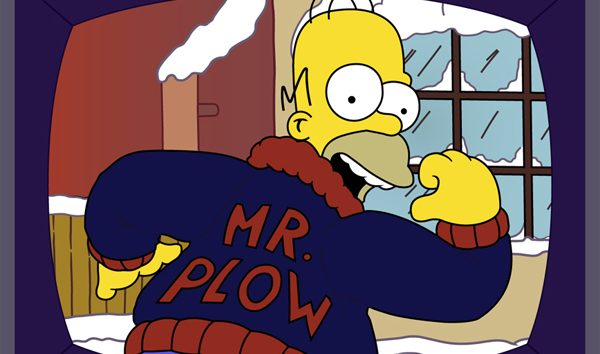
Mr-PlowRecently, CUNY Graduate schools sent out a memo that asks staff to avoid using salutations like “Mr.” and “Mrs.,” and instead asks that staff call students by their full first and last names. We talked about it!

Jaya: I am for this, at least personally. I have no real use for honorifics in my life, and I think we’ve established before they they were sort of a random thing non-noble people came up with in the name of equality? By all means if you’re a doctor or a knight, use one, but all “Ms.” does for me is tell people I’m a woman, which you can usually get by my name/seeing me. I mean, I have a STRONG preference for being called “Ms.” over “Mrs.” (do not call me “Mrs.”), but if I woke up one day and we didn’t use any of them, I wouldn’t miss them.

Victoria: This does not bother me one bit. I kind of like it from a practical standpoint for official correspondence- if everyone is just first name last name, you don’t have to have a human being sitting there being like, okay, this is a male name so it’s Mr. and this is a female name so it’s Ms. Or wondering whether someone is married or what they prefer.

Jaya: That’s true. I guess the one issue is, as some have brought up, that lots of people have valid reasons for why they’d want to use them. In some cultures it’s really disrespectful not to use them. This might just cause more problems than it purports to solve.

Victoria: Someone brought up in the comments of Jezebel that probably when you enroll there is a box or dropdown to choose your honorific so maybe it doesn’t actually save any human time anyway.

Jaya: It says they’re doing this for gender inclusivity, and the Empire State Pride Agenda praised it, saying those titles are an “outdated formality” that risks misrepresentation. So I’m inclined to go with that, especially since I’m not particularly attached to gendered titles anyway. If they’re saying it’s oppressive, it’s my job to listen. I guess the one thing is, if you’re being misgendered, the person who’s doing it is just as likely to do it by calling you “Mr.” as by calling you “John.”

Victoria: Right, it’s minor, but I think it’s great as a general thing, maybe not even about gender. It’s good in terms of women not having to declare their marital status.

Jaya: What do you think of people who see not using those titles as sign of disrespect? One commenter mentioned that civil rights activists made a huge point of using those titles, because people wouldn’t give them that respect often.

Victoria: Yeah, but that was a time when everything was more formal and it was a serious dig to not be called by a title. Like literally you would call your boss Mr. Lastname, which doesn’t happen now as much. Also there are countries that already don’t use honorifics.  In Iceland apparently it is correct to address the prime minister by her first name. By HER first name. No titles= female prime ministers. Definitely correlation = causation, right?

Jaya: Absolutely.

Victoria: But I definitely do see the point where it must be difficult for someone who does not identify as either male or female to explain that to someone who wants to know if they are Mr. or Mrs.

Jaya: Yes, first names are much easier then. It’s becoming increasingly obvious that you shouldn’t need to know someone’s gender unless they want you to know.

Victoria: I can’t even remember the last time someone insisted on calling me Ms. All my professors called me “Victoria.” Like, by the time you are in college, you are an adult and should be treated as one. And adults generally call each other by their first names.

Jaya: Plus, I’d like to think if a student sent an email saying it made them really uncomfortable to be called by their first name, there could be an exception?

Victoria: Oh yeah, for sure.

Jaya: Mainly, I wish more places would just adopt a policy of “ask someone what they want to be called, then call them that.”

Victoria: I think we’re already getting there, hopefully. Most of my mail comes to “Victoria Pratt.” If “Ms.” disappeared I doubt I’d notice. Aside from this particular school- I think it would be great if we could drop titles for formal events without people being offended. It would make addressing, say, wedding invitations a lot easier if you didn’t have to remember what EVERY SINGLE PERSON preferred.

Jaya: God that was such a nightmare.